TLDR;
- Netflix’s core numbers — retention, membership, watch time, revenue, margins, cash flow — all look strong.
- The “watch time per person” drop has a simple explanation, not a scary one.
- Looking to buy other companies is normal Netflix behavior, not a red flag.
- The stock price dropping doesn’t automatically mean the business is broken.
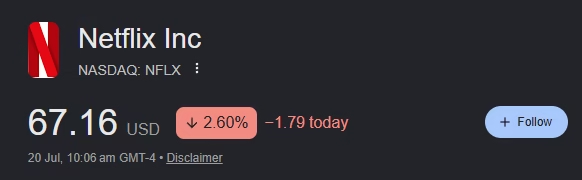
- Current stock price: $67.16
- Rating: Buy 🟡 | Start accumulating only during early $50 share price.
Remember When Everyone Said the Password Crackdown Would Flop?
Back in the day, almost everyone thought Netflix’s plan to stop password sharing would backfire.
- People thought users would cancel in anger.
- People thought it was a desperate money grab.
- People thought it would hurt the brand.
What Are the Actual Facts?
Let’s skip the opinions and look at what Netflix’s own numbers say.
- A Bloomberg article claimed Season 2 shows were losing viewers fast. Netflix’s Chief Executive Officer (CEO) directly pushed back and said Season 2 drop-off has actually gotten better, not worse, year over year.
- On the latest earnings call, Netflix’s leadership said retention (how many people stick around) is “healthy.”
- They also said membership (total number of subscribers) grew.
- Price increases are “going well” too, according to management.
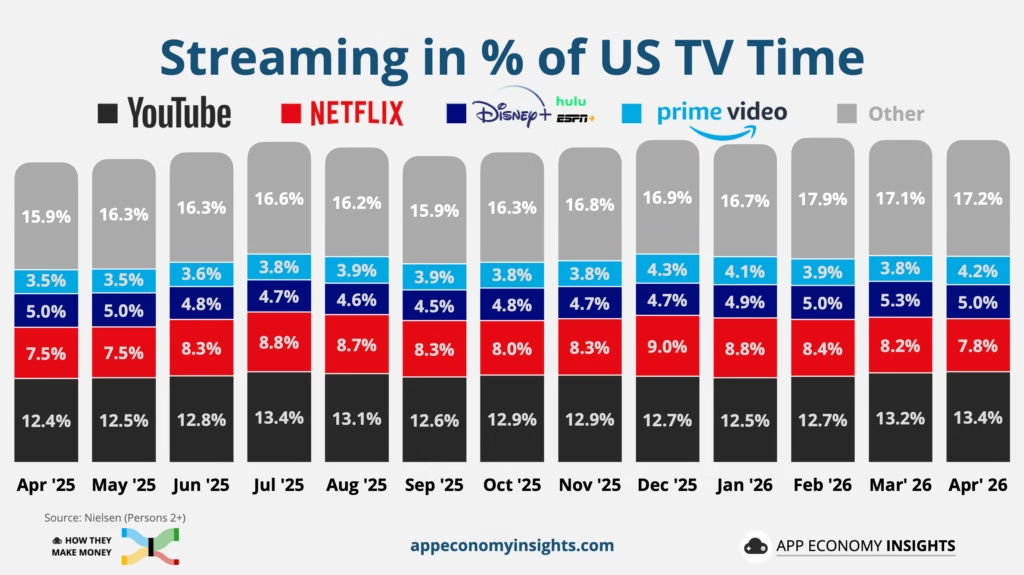
- Total watch time across the whole platform grew by 2% compared to last year.
Put together, that’s:
- Healthy retention
- Rising watch time
- Growing membership
- Successful price hikes
- Better Season 2 retention
All of this happened while the FIFA World Cup was competing for people’s attention. That’s not exactly the picture of a company losing viewers.
“But Watch Time Per Person Went Down!”
This is true. But here’s the simple explanation:
- Fewer people are sharing accounts now (thanks to the password crackdown). So the same amount of watching is now spread across fewer people per account, not because people are watching less.
- Netflix is growing fastest in countries where people watch less TV overall than Americans do. So average watch time per person naturally dips as those markets grow.
Think of it like this: if a pizza shop opens in a new neighborhood where people eat smaller slices, the shop isn’t failing — the neighborhood just eats differently.
“But Netflix Wants to Buy Other Companies!”
Netflix has looked at buying companies like Warner Bros. Discovery (WBD) and Roku. Some see this as a sign of trouble. It’s actually the opposite.
Netflix has always added new types of content over time:
- Started with licensing other people’s shows
- Then made its own original shows
- Then added stand-up comedy specials
- Then documentaries
- Then live sports
- Then podcasts
- Then video games
Looking at more companies to buy is just Netflix doing what it always does: expanding.
So What’s Actually on Fire Here?
Let’s zoom out and look at the real business numbers:
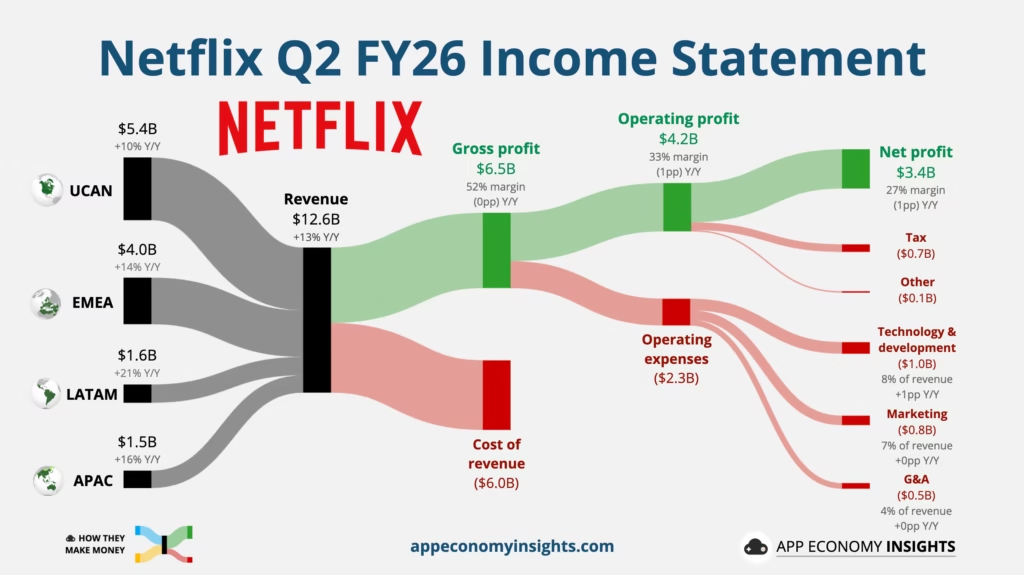
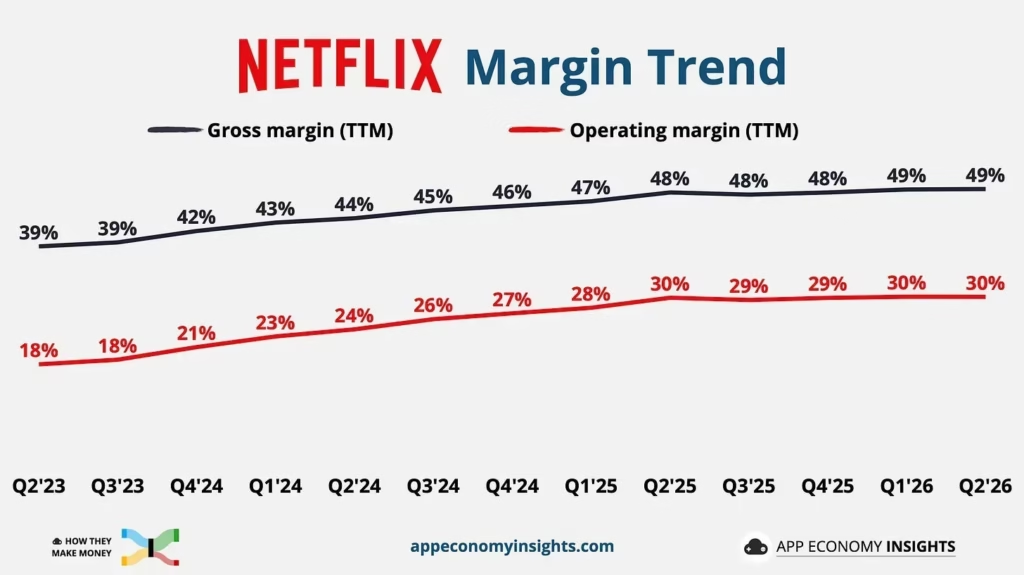
- Revenue is growing 14% year over year.
- Operating margins (how much profit Netflix keeps from each dollar earned) are moving up, not down.
- Netflix now produces billions more in free cash flow than the entire Disney empire.
- None of that looks like a company in trouble.
Then Why Did the Stock Price Fall?
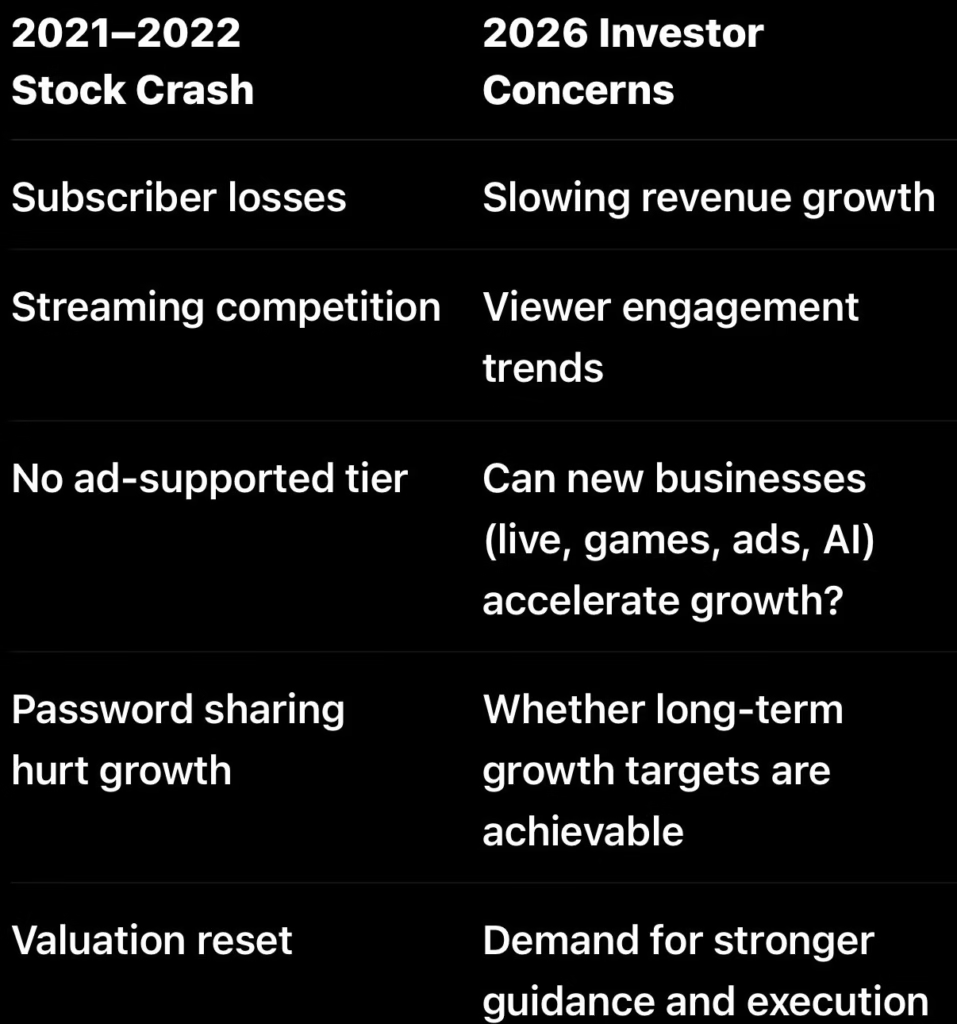
Here’s the honest theory: the stock fell, so people assumed something must be wrong. That’s backwards logic.
“The stock fell, therefore something must have deteriorated enough to justify the decline” — that’s the fear talking, not the data.
Based on the numbers above, the fall doesn’t look justified.